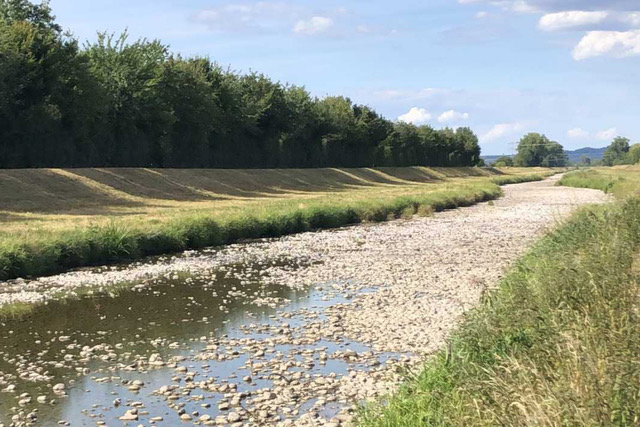
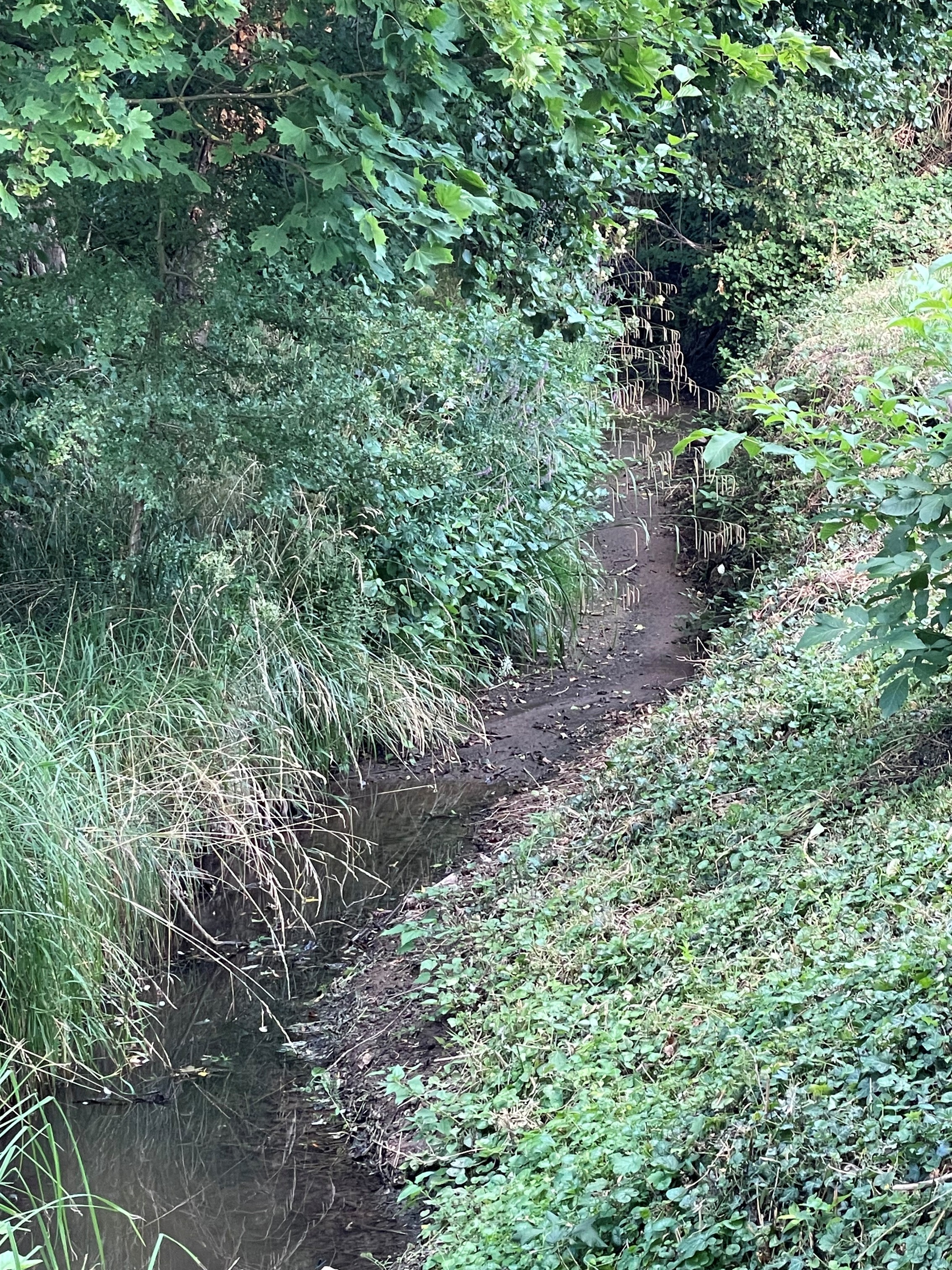
What happens beneath the surface often goes unnoticed for a long time. While dry riverbeds, disappearing springs and parched fields are among the visible manifestations of climate change, the transformations taking place beneath our feet largely escape public attention. Yet groundwater is a crucial lifeline. It determines whether streams continue to flow, whether vegetation can withstand prolonged drought periods and whether sufficient drinking water resources remain available in the long term. Across many regions, however, this natural water reservoir is coming under increasing pressure, with consequences that extend far beyond declining groundwater tables.
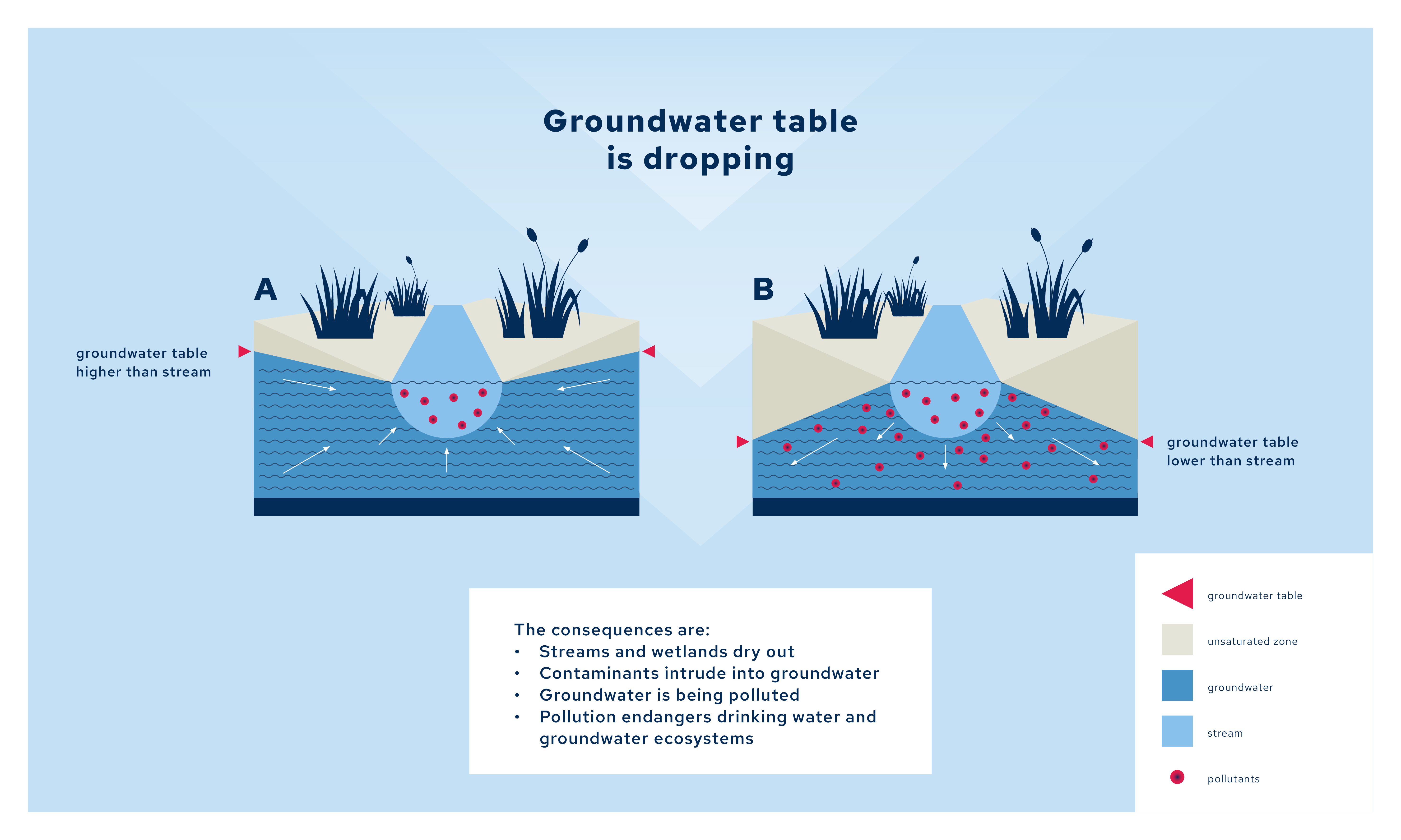
“Climate change and the associated drought conditions are putting considerable stress on our groundwater resources. And this, in turn, creates further challenges,” says Hans Jürgen Hahn, outlining the underlying physical processes. “When groundwater levels fall, contaminated surface water from streams and rivers can infiltrate into the groundwater system.” In this way, pollutants may enter subsurface water reserves. Looking at current developments, the ecologist issues a stark warning: “We are facing an enormous challenge. Groundwater is increasingly being enriched with wastewater-derived contaminants, including pesticides, pharmaceutical residues and other pollutants.”
A closer look at the origin of water in many streams reveals an important aspect of the problem. Streamflow is by no means exclusively sustained by spring and groundwater. In numerous catchments, wastewater treatment plant effluents contribute significantly to discharge. Hahn cites an example from the Southern Palatinate region: “Downstream of Knöringen, the Hainbach brook runs dry until it reaches after seven kilometers the Hochstadt wastewater treatment plant. From there it carries water again as far as approximately eight kilometers near Schwegenheim, where it dries up once more. That flow is essentially treated wastewater.” According to Hahn, this water has not evaporated. Rather, it infiltrates further downstream and ultimately becomes part of the groundwater system.
A turning point
As a scientist, Hans Jürgen Hahn studies the interactions between surface water and groundwater systems. His research focuses, among other topics, on how the landscape water balance influences groundwater ecosystems. This water balance encompasses precipitation, infiltration, groundwater recharge, runoff and the various components of evapotranspiration. Over recent decades, substantial changes have occurred in all of these processes.
“The year 2003 marked a turning point,” Hahn concludes. The 1990s were characterized by exceptionally wet conditions, which benefited groundwater resources considerably and resulted in substantial groundwater recharge. Since 2003, however, the situation has changed fundamentally. “In the Southern Palatinate, we have not experienced a truly wet year since then.”
Compared to previous decades, groundwater recharge rates in Rhineland-Palatinate have declined by around 25 percent since 2003. “In the Southern Palatinate, recharge has decreased by as much as 50 percent.” Additional climate-related factors have intensified the situation. The vegetation period, for example, has lengthened by approximately four weeks over the past sixty years. “Autumn and spring remain warm for longer periods.” Trees stay green for longer and therefore require more water, reducing the amount available for groundwater recharge.
“We are facing an enormous challenge. Groundwater is increasingly being enriched with wastewater-derived contaminants, including pesticides, pharmaceutical residues and other pollutants.”
Hans Jürgen Hahn
An increasingly thirsty landscape
In a recent research project, Hahn examined the visible impacts of climate change and agricultural irrigation based on groundwater abstraction. The underlying challenge is straightforward: groundwater recharge is decreasing, while groundwater withdrawals continue to increase. As a result, groundwater levels decline further, altering the functioning of the landscape water balance.
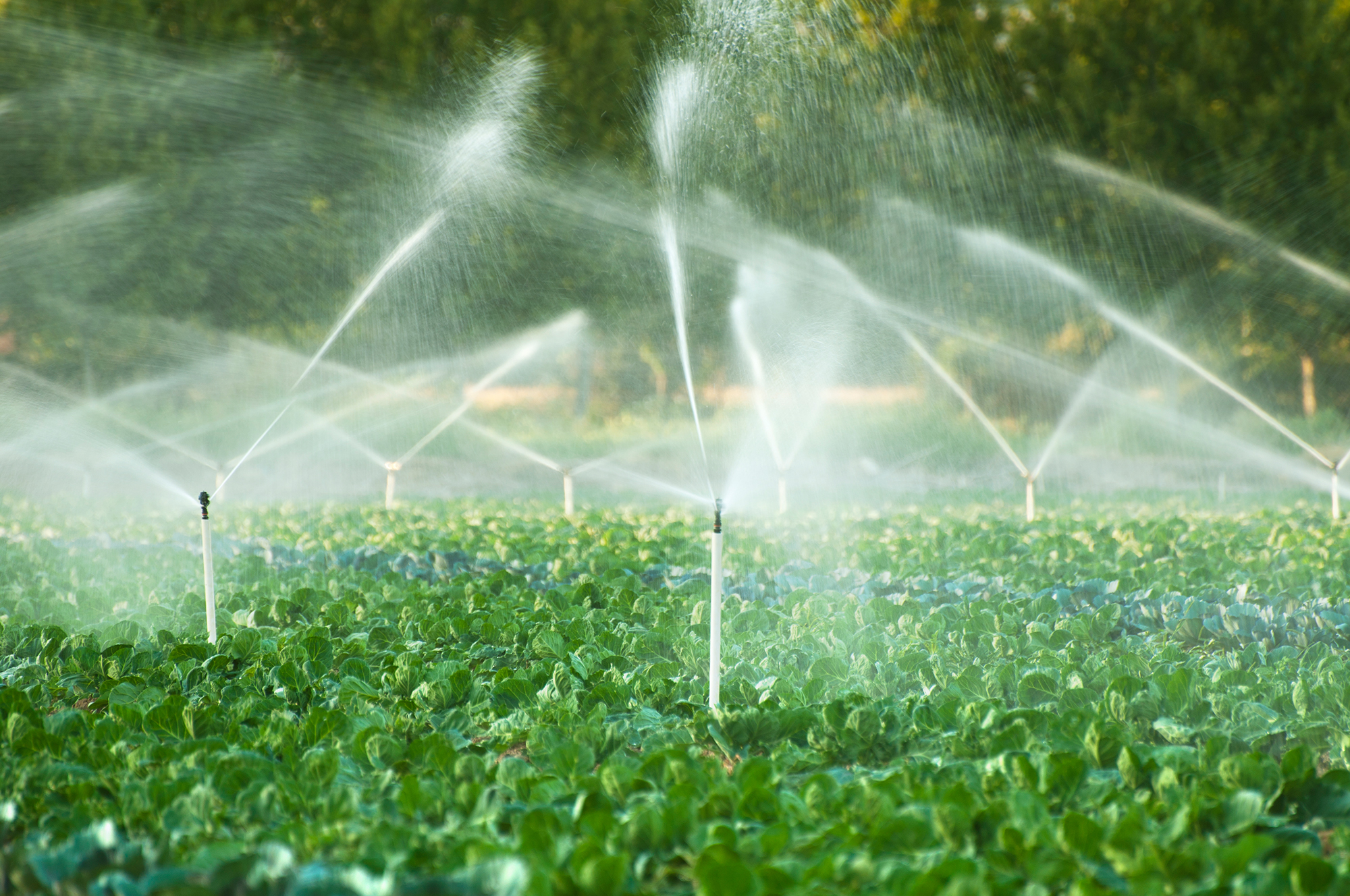
A key factor is the growing need for irrigation in response to increasing drought frequency and intensity. “At present, irrigated agriculture represents the most rapidly growing sector of groundwater consumption,” Hahn explains.
Together with his research team and independent limnologist Dr Holger Schindler, Hahn evaluated available datasets. One main conclusion has emerged: “In times of climate change, Germany lacks a standardized framework for collecting the key parameters required to assess the landscape water balance.”
The blind spot
Returning to the research project, Hahn and his team analyzed data on water rights and groundwater abstraction permits. “We investigated which areas are officially authorized for groundwater extraction and compare them with the areas that are actually irrigated.”
One observation has become clear: “Irrigated agriculture is not using groundwater resources as sparingly as it should.” At the same time, the area under irrigation has expanded significantly. “It is possible that more water is being withdrawn than has officially been permitted.” What conclusions can be drawn from these findings? “We need more effective monitoring and control of groundwater abstraction, including in the agricultural sector.”
Regional differences
Another important insight from Hahn’s observations is that “Climate change manifests itself differently from one region to another. Conditions in the Palatinate are fundamentally different from those in regions such as the Black Forest.” Differences in rainfall frequency, among other factors, have distinct consequences for forests, agricultural land and stream ecosystems. Consequently, measures aimed at improving the situation must be designed and implemented on a regional basis.
“When developing a management concept, we need to ask fundamental questions: How much water is available within the system? Who is using it? How much withdrawal can the system sustain? What measures can help retain water in the landscape? And what actions become necessary when groundwater levels decline?” Reliable answers require standardized and robust assessment methods. “We need data that can truly be trusted. We need to know how much groundwater is actually available within a region. In most cases, that information remains surprisingly uncertain.”
Retaining water in the landscape
According to Hahn, a range of measures could help halt groundwater decline while simultaneously contributing to flood protection. The central objective is to reduce the rapid drainage of precipitation and retain water in the landscape for as long as possible so that it can infiltrate and contribute to groundwater recharge.
Particularly important are decentralized measures “implemented directly where the water occurs.” Decades of extensive landscape drainage should, where possible, be reversed and natural water retention capacities restored. “This includes restructuring landscapes through the establishment of hedgerows, agroforestry systems and other runoff-reducing landscape elements, for example as part of ecologically oriented land consolidation schemes. Such structures slow surface runoff and promote infiltration.”
Further effective measures include the removal of drainage systems and the ecological restoration of streams and rivers. “In this way, water can remain within the landscape for longer periods rather than being rapidly exported through drainage networks.” Agriculture also has a critical role to play. Improved soil management practices, particularly the enhancement of soil organic matter content, can increase both water infiltration and storage capacity. As a result, precipitation can be retained more effectively and utilized for groundwater recharge.
The implementation of such measures, however, is frequently accompanied by significant land-use conflicts. Changes affecting agricultural land or existing drainage infrastructure often involve competing interests and therefore encounter resistance. “The considerable conflict potential helps explain why large-scale measures are frequently implemented only hesitantly in political practice, despite being regarded as among the most effective approaches for the long-term protection of water resources.”
“Climate change manifests itself differently from one region to another. Conditions in the Palatinate are fundamentally different from those in regions such as the Black Forest.”
Hans Jürgen Hahn
In addition, Hahn argues that centralized technical solutions may be appropriate in critical areas. One example is the creation of managed infiltration basins capable of retaining large volumes of stormwater and flood peaks. “Floodwaters from the Rhine, for example, are diverted into polders. Similar approaches can also contribute to groundwater recharge strategies.”
Nevertheless, Hahn cautions against viewing such measures uncritically. Before permitting surface water to infiltrate into groundwater systems, it is essential to assess its contamination status. “Otherwise, groundwater pollution may occur through exactly the same pathway.” This is another reason why region-specific concepts are indispensable. “Finding the right solution requires a thorough understanding of local conditions.”
When rainwater cannot enter the ground
Another challenge arises in regions characterized by impermeable subsurface conditions. “In areas with waterlogged clay soils or solid bedrock, only limited amounts of rainwater can infiltrate. Under such circumstances, water may rapidly concentrate and generate severe flooding downstream.” Such processes contributed to the catastrophic flood disaster in the Ahr Valley during the summer of 2021. Urban settlements represent an additional challenge. In built-up areas, opportunities for infiltration are often severely restricted. “Rainwater is frequently routed directly from rooftops and gutters into the sewer system,” Hahn explains.
As a consequence, valuable water resources that could contribute to groundwater recharge are lost. Appropriate building regulations could substantially improve the situation. “Private households, for example, could install rainwater cisterns.” Solutions also exist for the wastewater issue. “Introducing a fourth treatment stage in wastewater treatment plants can help remove pharmaceutical residues and similar contaminants before they enter rivers and streams.”
Every drop counts
What changes are needed in irrigated agriculture? “The irrigation systems we commonly see in agricultural fields are still rather outdated,” Hahn notes. Modern technologies are now available that can significantly reduce water consumption. At the same time, broader questions about crop selection must also be addressed. “We need a system that makes water conservation economically attractive for farmers.”
In the long term, Hahn argues, the sustainable management of groundwater resources will require a combination of improved monitoring, regionally adapted water-management strategies, enhanced landscape water retention and more efficient agricultural water use. Only through such integrated approaches can groundwater continue to fulfil its vital role for ecosystems, agriculture and society under a changing climate.